Anxiety & Panic Attacks
Walk & Talk therapy supporting panic attacks through movement, nervous system regulation, and evidence-based psychological approaches.
“You don’t have to have a difficult life to experience anxiety. Sometimes the people who appear calm, capable, and successful on the outside are experiencing internal battles.” – Nicola Vanlint
As an anxiety therapist, I support adults experiencing anxiety, panic attacks, excessive worry, overthinking, stress, overwhelm, and feeling constantly on edge.
Why Work With Me for Anxiety & Panic Attacks?
I am a BACP Accredited Therapist, EMDR Practitioner, and Therapeutic Coach with 20 years’ experience helping individuals overcome psychological barriers and improve their emotional wellbeing.

Alongside my professional expertise, I have personally experienced panic attacks. What made this particularly confusing was that, on paper, my life looked great. I was working as a fashion stylist, travelling the world, being creative, and living the life I had worked hard to build. Yet seemingly out of nowhere, I began experiencing panic attacks.
This experience taught me that anxiety and panic are not always linked to what is happening around us. Sometimes they reflect accumulated stress, unresolved experiences, pressure, or a nervous system that has been operating in survival mode for longer than we realise.
My approach combines evidence-based therapy with practical coaching strategies. Rather than focusing solely on symptom reduction, I help clients understand the underlying patterns contributing to anxiety while developing tools that support confidence, emotional regulation, and resilience.
I draw upon EMDR, Positive Psychology, Cognitive Behavioural Therapy (CBT), coaching approaches, and neuroscience-informed interventions. This allows support to be tailored to each individual rather than applying a one-size-fits-all approach.
Over the years, I have worked with individuals experiencing generalised anxiety, panic attacks, health anxiety, work-related stress, burnout, performance anxiety, and persistent overthinking. My goal is to help clients feel calmer, more confident, and better able to navigate life’s challenges.
You Don’t Have to Keep Managing This Alone
Having experienced panic attacks myself, I understand how frightening, exhausting, and confusing anxiety can be. I also know that recovery is possible.
Whether you’re struggling with constant worry, overthinking, panic attacks, or feeling permanently on edge, therapy can help you understand what is happening and develop a calmer, more balanced way of responding.
Book a free 15-minute discovery call to explore whether anxiety therapy feels right for you.
A supportive space to understand panic symptoms, reduce fear of panic episodes, and develop confidence in managing anxiety responses.
About Anxiety & Panic Attacks
Anxiety often involves persistent worry, overthinking, or feeling mentally overloaded. Many people describe finding it difficult to switch off, relax, or stop anticipating problems before they happen.
Panic attacks can involve sudden physical sensations such as a racing heart, dizziness, breathlessness, chest tightness, or a fear of losing control. Although these symptoms can feel frightening, they are linked to the body’s threat response rather than actual danger.
Walk & Talk Therapy in Greenwich can be particularly beneficial for anxiety and panic. Many people find it easier to process thoughts and emotions while walking compared to sitting in a traditional therapy room.
Therapy provides a structured space to explore patterns influencing anxiety, emotional regulation, and self-confidence, helping individuals develop strategies that support lasting change.
Why Walk & Talk Therapy Can Feel Easier
Many people experiencing anxiety, particularly social anxiety, find Walk & Talk Therapy feels less intense than sitting face-to-face in a therapy room.
Walking side-by-side can reduce the pressure that sometimes comes with direct eye contact, feeling observed, or worrying about how you are coming across. As a result, conversations often feel more natural, relaxed, and easier to engage in.
Research suggests that physical movement can support emotional regulation and reduce physiological arousal associated with anxiety (Stubbs et al., 2017). Being outdoors may also help shift attention away from self-monitoring and towards the surrounding environment, reducing feelings of self-consciousness.
Walk & Talk Therapy can be particularly beneficial for individuals experiencing:
• Social anxiety
• Fear of being judged by others
• Self-consciousness in conversations
• Anxiety before meetings, presentations, or social situations
• Excessive worry about saying the wrong thing
• Overthinking interactions afterwards
Many clients find that walking helps them feel calmer and more able to express themselves openly, allowing therapy to feel less intimidating and more accessible.
Understanding Anxiety
Anxiety is a natural response designed to help us identify and respond to potential threats. However, when the nervous system remains activated for prolonged periods, anxiety can begin to affect day-to-day life, relationships, confidence, sleep, and overall wellbeing.
Research suggests anxiety is associated with increased activity in brain regions involved in threat detection and survival responses, which can leave individuals feeling constantly on alert, even when no immediate danger is present (LeDoux, 2015).
Common experiences include:
• Overthinking
• Difficulty relaxing
• Feeling overwhelmed
• Physical tension
• Difficulty concentrating
• Feeling constantly on edge
• Sleep difficulties
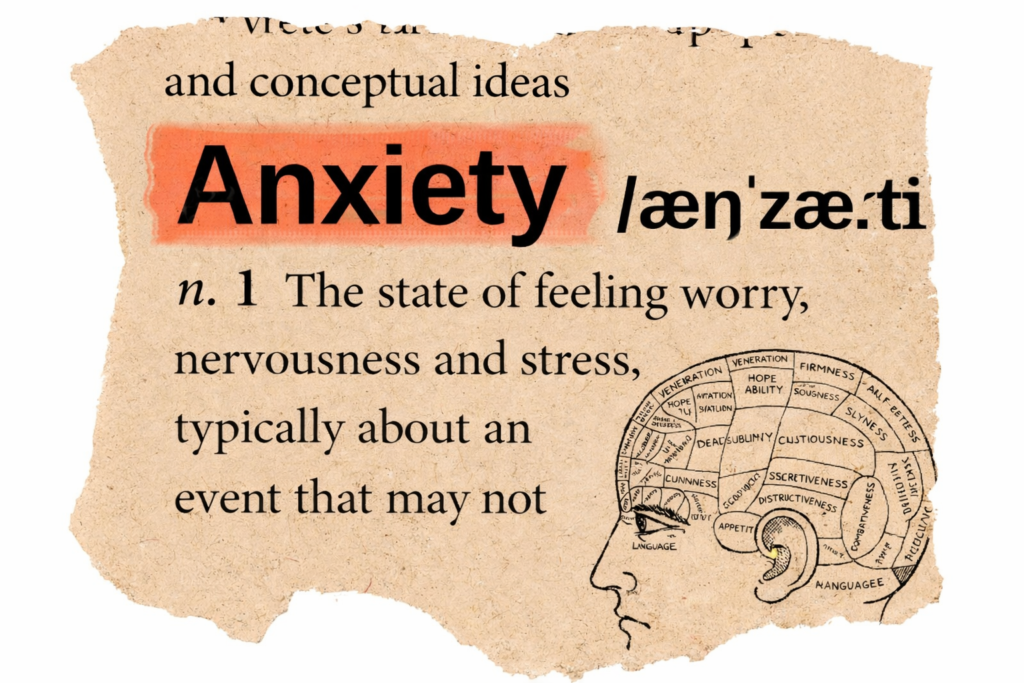
Therapy focuses on understanding the factors that may be maintaining anxiety while developing healthier and more balanced ways of responding.
Understanding Panic Attacks
Panic attacks are associated with activation of the body’s fight-or-flight response (Barlow, 2002). Although the physical symptoms can feel intense, they are not dangerous.
Common symptoms include:

• Racing heart
• Dizziness or light-headedness
• Breathlessness
• Sweating
• Feeling detached or unreal
• Fear of losing control
• Fear of future panic attacks
• Avoidance of certain situations
A key part of therapy involves understanding these responses, reducing fear of the symptoms themselves, and rebuilding confidence in your ability to cope.
Movement, Anxiety & Emotional Regulation
Physical movement has been shown to support emotional regulation and reduce symptoms of anxiety (Stubbs et al., 2017).
Walking involves rhythmic left-right movement, similar to the bilateral stimulation used in EMDR therapy. EMDR research suggests bilateral stimulation can help reduce emotional intensity and support the processing of distressing experiences (Shapiro, 2018).
Walk & Talk Therapy may help:
• Reduce anxiety and worry
• Improve emotional regulation
• Reduce overthinking
• Increase confidence
• Reduce fear of panic symptoms
• Support clearer thinking
• Improve overall wellbeing
Many individuals find that movement creates a sense of forward momentum when they feel mentally stuck.
Nature, Stress & Mental Wellbeing
Research suggests that spending time in natural environments can reduce stress, improve mood, and support emotional wellbeing. Attention Restoration Theory proposes that natural environments help reduce mental fatigue and restore cognitive resources that become depleted through prolonged concentration and stress (Kaplan & Kaplan, 1989).
Research has also found that exposure to green spaces can reduce rumination, a pattern of repetitive negative thinking often associated with anxiety and low mood (Bratman et al., 2015).
Greenwich Park provides open space, natural light, and a calmer environment away from many of the demands of everyday life. Many clients find they feel more relaxed, less overwhelmed, and better able to process concerns when outdoors.
Being in nature can also help create psychological distance from worries, allowing concerns to feel more manageable.
An Evidence-Based Approach
Therapy integrates psychological and neuroscience-informed approaches that support emotional regulation, cognitive flexibility, and behavioural change.
Approaches may include:
• Cognitive Behavioural Therapy (CBT) (Beck, 1976)
• EMDR Therapy (Shapiro, 2018)
• Positive Psychology approaches that support resilience and wellbeing (Seligman, 2011)
• Coaching and solution-focused approaches
• Nervous system regulation strategies informed by Polyvagal Theory (Porges, 2011)
The aim is to create meaningful and sustainable change rather than simply managing symptoms.
Developing Confidence Beyond Anxiety
Therapy is not about eliminating anxiety entirely. It is about developing confidence in your ability to respond to challenges, uncertainty, and difficult emotions.
Therapy can support:
• Reduced anxiety and panic
• Improved emotional regulation
• Increased confidence
• Reduced avoidance
• Greater resilience
• Better stress management
• Improved self-understanding
Over time, many people find they are better able to approach situations they once feared with greater calm, confidence, and flexibility.
Anxiety & Panic Attack Therapy in Greenwich
I offer Walk & Talk Therapy in Greenwich Park, as well as online and telephone sessions, providing flexibility alongside a structured, evidence-based approach.
If anxiety, panic attacks, or overthinking are affecting your wellbeing, relationships, work, or confidence, support is available.
Book a free 15-minute discovery call to explore whether therapy could help you move forward with greater calm, confidence, and emotional balance.
Frequently Asked Questions About Anxiety & Panic Attacks
Yes. Therapy can help you understand the factors contributing to anxiety, develop healthier coping strategies, and learn ways to reduce worry, overthinking, and emotional overwhelm. The goal is not to eliminate anxiety completely, but to help you respond to it more effectively.
Yes. Panic attacks can feel frightening, but they are highly treatable. Therapy can help you understand why panic attacks occur, reduce fear of the symptoms themselves, and develop confidence in your ability to manage them.
Many people assume anxiety only occurs when something is obviously wrong. However, anxiety can develop even when life appears good on the surface. Factors such as accumulated stress, unresolved experiences, perfectionism, pressure, or a constantly activated nervous system can all contribute.
Anxiety tends to build gradually and may involve ongoing worry, stress, or nervousness. Panic attacks are usually more sudden and intense, often involving strong physical symptoms that peak within a short period of time.
Many people find it easier to talk while walking than sitting face-to-face in a therapy room. Walking can help reduce physical tension, support emotional regulation, and create a sense of forward momentum when feeling mentally stuck
If anxiety, panic attacks, overthinking, worry, or feeling constantly on edge are affecting your wellbeing, confidence, relationships, or daily life, therapy may help. A free 15-minute discovery call provides an opportunity to discuss your situation and determine whether working together feels like the right fit.
Academic References
Barlow, D. H. (2002). Anxiety and Its Disorders: The Nature and Treatment of Anxiety and Panic (2nd ed.). Guilford Press.
Beck, A. T. (1976). Cognitive Therapy and the Emotional Disorders. International Universities Press.
Bratman, G. N., Hamilton, J. P., Hahn, K. S., Daily, G. C., & Gross, J. J. (2015). Nature experience reduces rumination and subgenual prefrontal cortex activation. Proceedings of the National Academy of Sciences, 112(28), 8567–8572.
Kaplan, R., & Kaplan, S. (1989). The Experience of Nature: A Psychological Perspective. Cambridge University Press.
LeDoux, J. E. (2015). Anxious: Using the Brain to Understand and Treat Fear and Anxiety. Viking.
Porges, S. W. (2011). The Polyvagal Theory: Neurophysiological Foundations of Emotions, Attachment, Communication, and Self-Regulation. W. W. Norton.
Seligman, M. E. P. (2011). Flourish. Free Press.
Shapiro, F. (2018). Eye Movement Desensitization and Reprocessing (EMDR) Therapy: Basic Principles, Protocols, and Procedures (3rd ed.). Guilford Press.
Stubbs, B., Vancampfort, D., Hallgren, M., Firth, J., Veronese, N., Solmi, M., et al. (2017). Physical activity and mental health: A review of evidence. European Psychiatry, 54, 124–144.